

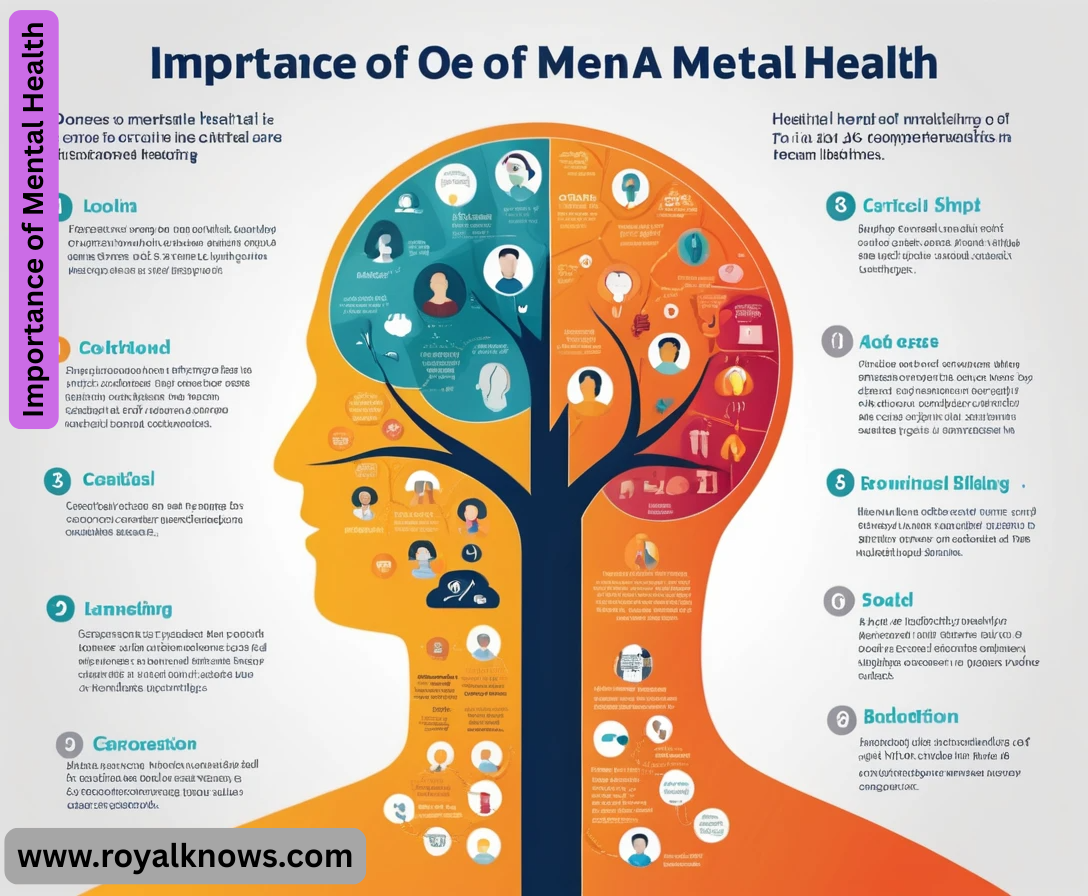
Importance of Mental Health Of course. The importance of mental health cannot be overstated. It is a critical component of our overall well-being, influencing how we think, feel, and act in every aspect of our lives. Here is a comp rehensive look at why mental health is so vital, broken down into key areas.
Mental Health is Integral to Overall Physical Health
The mind and body are not separate; they are deeply interconnected.
- Chronic Conditions: Conditions like chronic stress, anxiety, and depression can lead to physical issues such as heart disease, high blood pressure, a weakened immune system, and digestive problems.
- Lifestyle Choices: Mental health affects our motivation and capacity to make healthy choices, including eating well, exercising, and getting enough sleep.
It Affects Our Relationships and Social Functioning
Our mental well-being shapes how we interact with the world.
- Healthy Relationships: Good mental health allows us to form and maintain strong, supportive relationships with family, friends, and partners. It fosters empathy, communication, and the ability to handle conflict constructively.
- Social Contribution: It enables us to be productive members of our communities, participate in social activities, and offer support to others.
It is Essential for Productivity and Performance
Mental health is a cornerstone of success in educational, professional, and personal pursuits.
- Work and School: It influences our ability to concentrate, make decisions, solve problems, and be creative. Poor mental health is a leading cause of absenteeism and decreased productivity.
- Resilience: Good mental health provides the resilience needed to cope with the normal stresses of life, adapt to change, and recover from setbacks.
It Shapes Our Self-Perception and Coping Abilities
Mental health is the foundation of our inner world.
- Self-Esteem: It directly impacts our self-esteem and confidence, influencing how we perceive ourselves and our abilities.
- Coping Mechanism: It equips us with the tools to handle adversity, trauma, and loss. Without healthy coping mechanisms, individuals may turn to harmful behaviors like substance abuse.
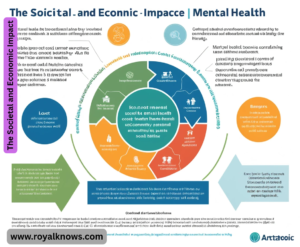
The Societal and Economic Impact
The importance of mental health extends beyond the individual to society as a whole.
- Economic Cost: Mental health conditions carry a significant economic burden due to healthcare costs, lost productivity, and the impact on other social services.
- Public Health: Widespread poor mental health can affect community safety, educational outcomes, and the overall well-being of a population.
Breaking the Stigma: A Crucial Step
For too long, mental health has been shrouded in stigma and misunderstanding. Recognizing its importance involves:
- Normalizing Conversations: Talking openly about mental health challenges, just as we would about physical health issues like diabetes or a broken bone.
- Promoting Awareness: Understanding that mental health conditions are common, treatable, and not a sign of weakness or personal failure.
- Encouraging Help-Seeking: Making it easier and more acceptable for people to seek professional help without fear of judgment.
Conclusion: Mental Health as a Priority
- Mental health is not a luxury; it is a fundamental human right and a necessary foundation for individuals, communities, and societies to thrive.
Prioritizing mental health means:
- For Individuals: Practicing self-care, setting boundaries, and seeking help when needed.
- For Communities: Creating supportive environments in schools, workplaces, and families.
- For Governments: Investing in accessible and affordable mental healthcare services.
The Ripple Effect: From Individual to Global
- The significance of mental health can be visualized as a series of concentric circles, where its impact ripples outward from the individual to the entire globe.
The Inner Circle: The Individual Self
This is the core, where mental health dictates the quality of our entire lived experience.
- Cognitive Functioning: Mental health is the engine of our cognition. Good mental health allows for clear thinking, sharp memory, effective learning, and sound decision-making. Conditions like depression or anxiety can create a “brain fog,” impairing these essential functions.
- Emotional Regulation: It’s not about being happy all the time. Good mental health is the ability to experience a full range of emotions—joy, sadness, anger, fear—and manage them in a healthy way. It prevents emotions from becoming overwhelming or controlling our actions.
- Sense of Purpose and Meaning: Mental well-being is closely tied to our sense of purpose. It fuels our motivation, drives our passions, and helps us feel that our lives are meaningful and worthwhile. Apathy and a loss of interest are common symptoms of poor mental health.
- Realization of Potential: When our mental health is nurtured, we are better equipped to recognize our strengths, cultivate our talents, and work towards achieving our personal and professional goals.
The Second Circle: Relationships and Family
Our mental state is the invisible force that shapes our closest bonds.
- Parenting: A parent’s mental health is one of the strongest predictors of a child’s well-being. It affects the parent’s ability to provide consistent, nurturing, and responsive care. Children of parents with untreated mental illness are at a higher risk for developmental, emotional, and behavioral problems.
- Intimate Partnerships: Mental health influences communication, empathy, intimacy, and the ability to resolve conflict in a relationship. It can be the difference between a supportive partnership and a strained one.
- Social Network: It affects our ability to make friends, maintain connections, and build a reliable support system. Isolation is both a cause and a consequence of poor mental health.
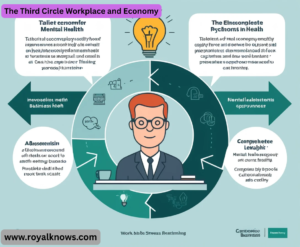
The Third Circle Workplace and Economy
Importance of Mental Health The economic argument for mental health is powerful and often underestimated.
- Presenteeism vs. Productivity: While absenteeism (missing work) is a cost, presenteeism (being at work but functioning at a reduced capacity due to poor mental health) is often a far greater economic drain. It leads to more errors, reduced creativity, and lower overall output.
- Talent Retention: Companies that foster psychologically safe environments and support employee mental health have higher employee engagement, loyalty, and retention, saving significant costs on recruitment and training.
- Innovation and Leadership: Mental well-being is a catalyst for innovation, strategic thinking, and effective leadership. Stress and burnout cripple these essential business drivers.
The Fourth Circle: Community and Society
The collective mental health of a population defines the character and resilience of a society.
- Physical Health Burden: As mentioned, poor mental health exacerbates physical health conditions, placing a greater strain on healthcare systems.
- Social Cohesion: Communities with high levels of mental well-being tend to have lower crime rates, less violence, and stronger social bonds. They are more compassionate and inclusive.
- Civic Engagement: Mental health affects a population’s ability to engage in democratic processes, volunteer, and contribute to community life.
The Outer Circle: Global Challenges
In the 21st century, mental health is inextricably linked to our most pressing global issues.
- Climate Change: The psychological impact of climate change—”eco-anxiety”—is a growing phenomenon. Addressing the mental health toll of environmental disasters and existential fear is becoming a public health priority.
- Conflict and Migration: War, displacement, and trauma have devastating effects on mental health. Providing psychosocial support to refugees and survivors is crucial for rebuilding lives and societies.
- Pandemic Recovery: The COVID-19 pandemic was a stark reminder of how a global crisis can trigger a parallel mental health crisis, highlighting the need for resilient mental health infrastructure worldwide.
- Shifting the Paradigm: From Treatment to Prevention
The traditional approach has been to treat mental illness after it appears. The modern understanding of importance lies in promotion and prevention. - Promotion: Actively fostering well-being through practices like mindfulness, physical activity, strong social connections, and purpose-driven work. This is about building mental “fitness,” much like we build physical fitness.
- Prevention: Identifying at-risk individuals and communities and providing early intervention to prevent the onset or severity of mental health conditions. This includes programs in schools, workplaces, and primary care settings.
 xentro6@gmail.com