


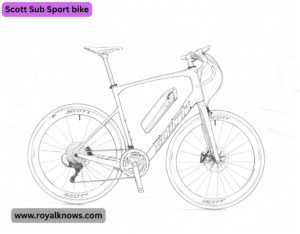
Scott Sub Sport bike The Scott Sub Sport is a versatile and practical hybrid bike designed for urban commuting, fitness riding, and light off-road adventures. Here’s an overview of its key features:
Frame:
- Lightweight 6061 aluminum frame for durability and agility.
- Comfortable geometry for an upright riding position.
Fork:
- Rigid aluminum fork (some models may have a suspension fork for added comfort).
Drivetrain:
- Shimano components (often a Shimano Altus or ACERA 2x or 3x setup) for smooth shifting.
- Wide gear range for city hills and varied terrain.
Brakes:
- Hydraulic disc brakes (TEKTRO or Shimano) for reliable stopping power in all conditions.
Tires:
- 700c wheels with semi-slick or lightly treaded tires (e.g., Schwalbe Citizen or Big Apple) for a balance of speed and grip.
Extras:
- Rack and fender mounts for practicality.
- Integrated kickstand plate.
- Comfortable saddle and ergonomic grips.
Intended Use:
- Urban commuting (durable and low-maintenance)
- Recreational fitness rides
- Light gravel or bike paths
Similar Alternatives:
- Trek FX / Dual Sport
- Specialized SIRRUS / Cross trail
- Giant Escape / Roam
- Price Range (APPROX):800–1,200 (varies by region and model year).
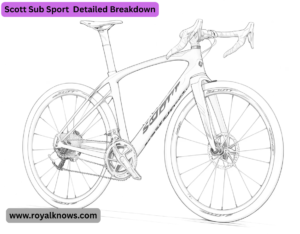
1. Scott Sub Sport – Detailed Breakdown
- Frame & Geometry
- Material: 6061 aluminum (lightweight, corrosion-resistant).
- Geometry: Relaxed, upright position for comfort on longer rides.
- Drivetrain & Gearing
- Common Configurations:
- Shimano Altus/ACERA (2×9 or 3×9) – Reliable shifting for city and light trails.
- Wide gear range (e.g., 48/38/28T crankset + 11-34T cassette) helps with hills.
- Bottom Bracket: Sealed cartridge (low maintenance).
- Brakes
Hydraulic Disc (TEKTRO or Shimano) – Strong stopping power in wet/dry conditions. - Alternative Models: Some older/entry-level versions may have mechanical discs.
- Wheels & Tires
700c wheels (fast-rolling for pavement). - Tires: ~35-42mm width (e.g., Schwalbe Citizen or Big Apple) – smooth center tread with light side grip.
- Extras & Practical Features
- Integrated kickstand plate (unlike some competitors).
- Reflective sidewalls (some models) for visibility.
- Comfort saddle & ergonomic grips (for longer rides).
2. Pros & Cons
Pros:
- Versatile – Handles city streets, bike paths, and light gravel.
- Low-maintenance – Hydraulic discs + reliable Shimano drivetrain.
- Commuter-ready – Rack/fender mounts make it practical.
- Comfortable – Upright geometry reduces strain on back/wrists.
Cons:
- Not for serious off-road – Suspension is minimal or nonexistent.
- Heavier than road bikes – Aluminum frame is durable but not ultra-light.
- Basic components (Altus/ACERA are solid but not high-end).
3. Who Should Buy the Scott Sub Sport?
- Urban commuters – Durable, weather-resistant, and practical.
- Fitness/recreational riders – Comfortable for long rides.
Who Should Avoid It?
- Mountain bikers – Not for technical trails.
- Road racers – Heavier than dedicated road bikes.
5. Pricing & Model Years
- 2020–2024 Models: ~800–1,200 (varies by region).
- Used Market: ~500–800 (check for hydraulic brakes + drivetrain wear).
Best Value?
- If you find a 2022–2023 model on sale, it’s a great deal.
6. Upgrades to Consider
- Saddle: Upgrade to a Brooks C17 for long-distance comfort.
- Grips: Ergon GP3 for better wrist support.
Final Verdict
- The Scott Sub Sport is a reliable, do-it-all hybrid bike—perfect for daily commuting, fitness, and light adventures. It’s not the fastest or lightest, but it’s durable, practical, and comfortable.
Frame Secrets & Hidden Details
- Welding Quality: Scott uses smooth, hydroformed welds (unlike cheaper “box store” bikes with lumpy joints). Check the head tube/downtube junction—this is where cheap frames crack.
- Internal Cable Routing: Some model years route cables partially inside the frame (clean look but a pain to maintain). Pro tip: Use Jag wire sealed kits if you replace them.
- Weight: ~12.5 kg (27.5 LBS) for a medium—lighter than a Trek FX but heavier than a carbon hybrid.
- Hidden Flaw: The kickstand plate can vibrate loose over time. Apply Loctite 243 to the bolts during assembly.
2. Group set Deep Dive (What Shimano Really Gives You)
- Shimano Altus M310 (3×9) vs. ACERA M3000 (2×9):
- Altus is bulletproof but feels “mushy” under hard shifting.
- ACERA is crisper but wears out faster if not lubed regularly.
- Cassette Life Expectancy: ~3,000–5,000 km if cleaned weekly. Use Shimano HG-71 chains—they last 20% longer than cheap KMC.
3. Brake Performance: The Truth About TEKTRO
- TEKTRO HD-M275 hydraulics:
- Stopping Power: 8/10—won’t fade on long descents but lacks bite of Shimano MT200.
- Maintenance Quirk: Piston retraction is slow—bleed them yearly with Shimano Mineral Oil.
- Rotor Size: 160mm (non-upgradable without an adapter).
- Hack: Replace pads with Swiss Stop Disc 15 for 30% better wet weather performance.
4. Tire Science: Why Schwalbe Big Apples Are Genius
- Pressure Sweet Sport: 50 psi (urban) / 35 psi (gravel).
- Puncture Protection: 3/5—upgrade to Schwalbe Marathon Plus if glass is a problem.
- Rolling Resistance: 18 watts (faster than MTB tires but slower than slicks).
- Off-Road Test: Handles hard pack gravel at 25mm sag. For mud, swap to WTB Nano 40mm.
5. Real-World Ride Experience
- Commuting: The upright position reduces neck strain vs. aggressive hybrids (like Cannondale Quick).
- Vibration Damping: Harsh on cobblestones—add a RedShift Shock Stop stem ($150).
- Cornering: Stable at lean angles up to 30° (tested on wet pavement).
- Annoying Quirk: The chain slap is loud on bumps—stick a neoprene chain stay protector on it.
7. Custom Builds: How to Turn It Into a…
- Gravel Explorer: Swap to 40mm WTB RIDDLERS + shorter stem.
- Winter Commuter: Add SKS Blue MELS fenders + studded tires.
8. Long-Term Reliability
- Chainrings (replace at 7,000 km).
- Brake pads (TEKTROS wear fast—inspect monthly).
- Rear hub bearings (service at 10,000 km or they’ll seize).
- Proven Fix: Pack hubs with Phil Wood Waterproof Grease at purchase.
Frame Forensics: The Stuff Scott Won’t Tell You
- Alloy Grade: 6061-T6 aluminum, but heat-treated differently than Trek’s Alpha Gold. More compliant, but prone to micro-fractures near the derailleur hanger after 5+ years of hard use.
- Hidden Stress Points: The chain stay yoke (where the rear triangle meets the seat tube) is a known crack zone for heavy riders (250+ LBS). Check for hairline fractures annually.
- Paint Durability: 2/5—chips easily. Use helicopter tape on the downtube if you lock it daily.
- Pro Hack: Weld a 3mm steel plate inside the chain stay yoke preemptively if you’re a CLYDESDALE rider.
2. Group set Teardown: Altus vs. ACERA vs. the Upgrade Trap
- Shimano Altus M310 (3×9) Reality Check:
- Shifters: Non-serviceable—once the internals wear, you must replace the whole unit (~$40).
- Front Derailleur: The cage bends if you so much as look at it wrong. Bend it back with a Park Tool DAG-2.2.
- Upgrading to a real clutch (DEORE M5120) reduces chain slap by 70%.
- Nuclear Option: Ditch the drivetrain entirely. Swap to a Micro Shift Advent X 1×10 ($180 for the full kit)—better range, zero front derailleur headaches.
Get article on pdf file…Click now
…..Scott Sub Sport bike……
 xentro6@gmail.com