


Cultural Experiences Of course. Here is a comprehensive overview of cultural experiences, from what they are to how to find and engage with them deeply.
What is a Cultural Experience?
- A cultural experience is any activity or interaction that provides insight into the values, traditions, rituals, art, and way of life of a group of people. It’s about moving beyond passive observation to a deeper understanding and connection. It can happen anywhere—across the world or in your own hometown.
- The goal is not just to “see” but to understand and feel a different perspective.
Types of Cultural Experiences
- Cultural experiences can be categorized in many ways:
Art & Expression
- Visiting Museums & Galleries: From the Louvre in Paris to a small local history museum.
- Attending Live Performances: A traditional Japanese Noh play, a Flamenco show in Spain, a Broadway musical, a local folk music festival.
- Exploring Architecture: Walking through the medina of Fez, admiring Gaudi’s buildings in Barcelona, or visiting ancient temples in Cambodia.
Culinary Traditions
- Taking a Cooking Class: Learning to make pasta in Italy, pho in Vietnam, or tagine in Morocco.
- Visiting Local Markets: Exploring a bustling souk, a French fromagerie (cheese shop), or a Japanese fish market.
- Dining in a Local Home: Platforms now connect travelers with families for a home-cooked meal.
Rituals & Festivals
- Religious Ceremonies: Attending a mass in the Vatican, witnessing a Buddhist prayer ceremony in Tibet, or observing Ramadan festivities in a Muslim-majority country (with respect and permission).
- Cultural Festivals: Participating in Rio’s Carnival, India’s Holi festival of colors, Germany’s Oktoberfest, or Dia de los Muertos (Day of the Dead) in Mexico.
- Local Traditions: Joining a tea ceremony in Japan, a kava ceremony in Fiji, or a traditional wedding celebration.
Daily Life & Community
- Volunteering (Voluntourism): Working on a community project, teaching English, or helping with conservation efforts.
- Language Immersion: Taking a language course in a country where it’s spoken.
- Skill-Based Workshops: Learning traditional weaving, pottery, dancing, or martial arts from a master craftsperson.
Natural World & History
- Guided Tours by Locals: Having a community member show you their ancestral lands and explain the significance of the geography and history.
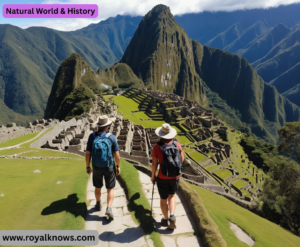
- Pilgrimages & Treks: Walking the Camino de Santiago in Spain or visiting sacred sites like Machu Picchu.
How to Seek Out Authentic Cultural Experiences
While Traveling:
- Go Beyond the Guidebook: Use it for ideas, but ask your hotel host, a café barista, or a shop owner for their recommendations.
- Say “Yes”: If invited to a local home or event, accept graciously (within reason and safety).
- Choose Local Guides: They often have personal stories and access to places big tour companies don’t.
- Eat Where the Locals Eat: Avoid restaurants with menus only in English right next to the tourist attraction.
From Home (A Cultural Staycation):
- Explore Your City’s Ethnic Enclaves: Visit neighborhoods known for specific cultures. Eat at family-run restaurants and shop in their grocery stores.
- Attend Local Cultural Festivals: Most cities have festivals celebrating different heritages (e.g., Greek Fest, Chinese New Year parade).
- Take an Online Course: Learn a new language, cooking technique, or art form from an instructor abroad.
- Virtual Museum Tours: Many world-class museums offer extensive online collections and virtual walk-throughs.
- Read Literature and Watch Films: Immerse yourself in books and movies from other cultures. Seek out authentic voices and creators.
Principles for Ethical and Respectful Engagement
- A true cultural experience is built on respect, not extraction.
- Be a Guest, Not a Tourist: You are entering someone else’s culture, home, or sacred space. Act with humility and gratitude.
- Listen More Than You Speak: The goal is to learn, not to impose your own views or comparisons.
- Ask Permission Before Taking Photos: Especially of people, religious ceremonies, or private homes.
- Support the Local Economy: Buy directly from artisans, eat at local restaurants, and hire local guides. This ensures the cultural heritage is valued and sustained.
- Avoid Stereotypes: No culture is a monolith. Recognize the diversity of opinions, traditions, and individuals within any group.
- Be Mindful of “Voluntourism“: Ensure any volunteering opportunity is ethical, genuinely needed, and run by the community itself to avoid causing unintended harm.
The Lasting Impact
- A profound cultural experience does more than just create a nice memory. It has the power to:
- Break Down Prejudices: Personal connection is the antidote to stereotype.
- Inspire Curiosity: It often sparks a desire to learn more about the world and your own place in it.
- Change Your Perspective: It can challenge your assumptions about what is “normal” and help you appreciate the beautiful diversity of human expression.
The Layers of a Cultural Experience: Beyond the Surface
- Think of culture as an iceberg. . This is what we often experience first. The much larger part below the water is the Subjective Culture: the deeply held values, beliefs, notions of fairness, concepts of time, communication styles, and unspoken social rules. A truly deep cultural experience tries to understand both.
- Example: Sharing a meal in Italy
- Surface Level (Objective): Eating delicious pasta and drinking wine.
- Rushing is disrespectful. The passion for la dolce vita (the sweet life) and regional pride (campanilismo) in the ingredients. The specific order of courses (antipasto, primo, secondo, contorno, dolce).
- How to Deepen Any Cultural Experience: A Practical Framework
Whether you’re traveling abroad or exploring your own city, this mindset shift is key.
Adopt the “Why” Mindset:
- Don’t just observe what people are doing; ask yourself why they are doing it. This question is the gateway to understanding subjective culture.
- Instead of: “They eat dinner very late in Spain.”
- Ask: “Why do they eat dinner so late?” (This leads you to understand cultural concepts of time, climate, work rhythms, and social life).
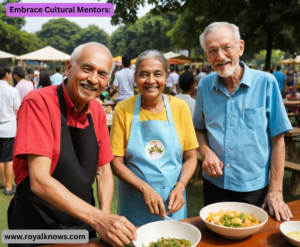
Embrace Cultural Mentors:
- Who: A local guide, a homestay host, a language exchange partner, a bartender, a shopkeeper, even a friendly grandparent at a park.
- How to Engage: Ask open-ended questions. “What’s your favorite thing about this festival?” “What does this dish mean to you?” “Can you tell me the story behind this tradition?”
Practice Active Observation:
- Sit in a public square and just watch. Don’t look at your phone. Notice:
- How people interact: Are they loud or quiet? How much physical space is between them? Do they gesture a lot?
- Pace of life: Is there a rush, or is there a culture of slowing down?
- The rhythm of the day: When do shops open and close? When do people socialize?
Seek Out “Third Places”:
- Sociologist Ray Oldenburg coined this term for the social surroundings separate from the two usual environments of home (“first place”) and work (“second place”). These are the heart of community life.
- Examples: Public plazas, neighborhood pubs, community centers, coffee shops, parks, markets.
- Why they matter: This is where unstructured local life happens. You’ll see people in their natural state, not performing for tourists.
Navigating the Challenges & Ethical Dilemmas
The “Authenticity” Trap:
- The quest for the “authentic” experience can be problematic. It can create a performance where locals feel pressure to act in a “traditional” way for tourists. It can also overlook the fact that culture is dynamic and modern. Is a contemporary art gallery in Tokyo any less “authentically Japanese” than a ancient temple? Culture is alive and evolving.
Dealing with Cultural Discomfort (Culture Shock):
- You will encounter things that confuse, frustrate, or even offend you.
- Reframe it: This discomfort is a sign that you are encountering something truly different from your own conditioning. It’s a learning opportunity.
- Suspend Judgment: Try not to label things as “weird” or “wrong.” Instead, use “That’s different. I wonder what the history or reason behind that is?”
- Find the Humor: Sometimes, the missteps and misunderstandings make for the best stories later.
The Issue of Appropriation vs. Appreciation:
This is a critical distinction.
- Appreciation is about respect. It involves learning, understanding context, giving credit, and often, supporting the community directly. (e.g., Buying a piece of art directly from the artist and learning about its symbolism).
- Appropriation is taking elements of a culture—particularly from a marginalized group—out of context, for personal gain or trendiness, without permission or understanding, often reinforcing stereotypes. (e.g., Wearing a sacred indigenous headdress as a fashion accessory at a music festival).
- If members of that community are saying something is disrespectful, believe them.
The Inward Journey: How Cultural Experiences Change You
- The ultimate value of these experiences is internal. They are a mirror.
- You Learn About Your Own Culture: You never truly see the water you swim in. By contrasting your norms with others, you understand your own culture’s values, biases, and quirks for the first time.
- You Develop Cognitive Flexibility: Your brain gets better at switching between different cultural frameworks and understanding multiple perspectives. This is a crucial skill in our globalized world.
- You Build Resilience: Navigating unfamiliar situations, getting lost, and making mistakes makes you more adaptable and confident.
- You Cultivate Humility: You realize how much you don’t know about the world. This counters arrogance and fosters a lifelong learner’s mindset.
 xentro6@gmail.com